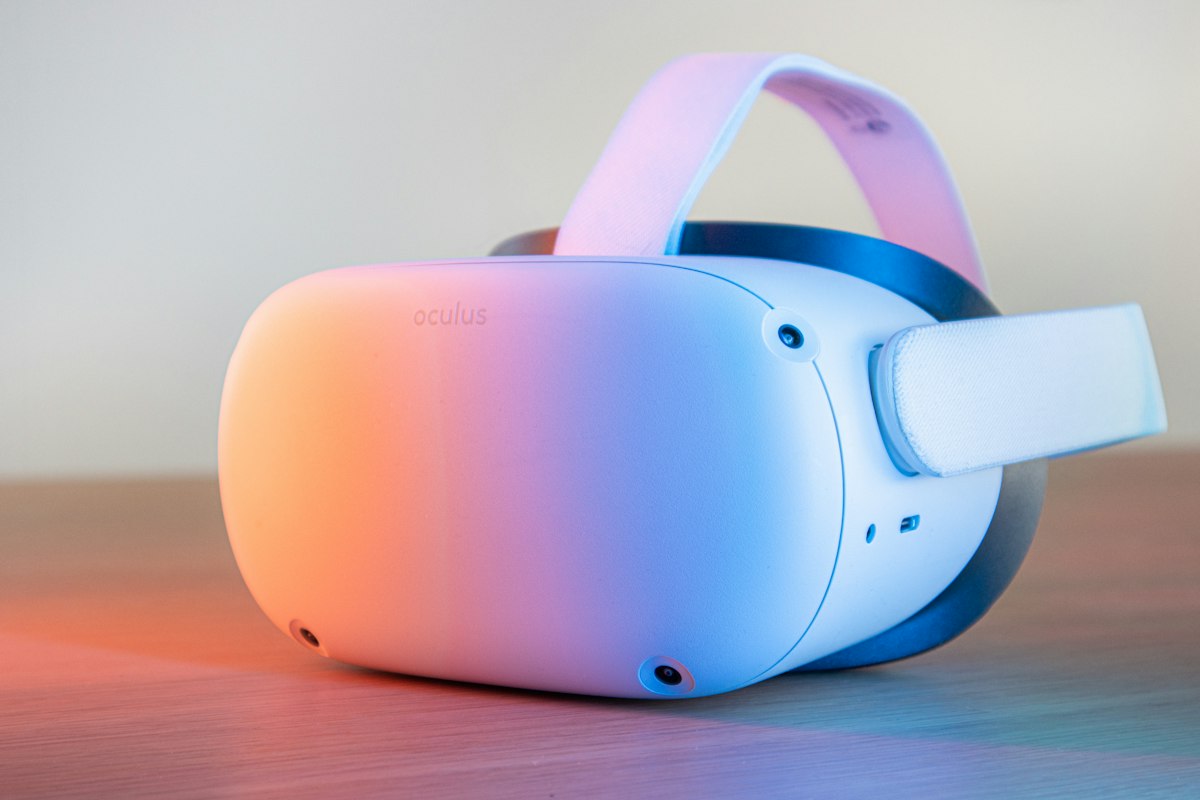
The Art of VR Game Design
Virtual reality isn't just a new platform—it's an entirely different medium. After years of developing VR experiences, we've learned that the rules of traditional game design don't always apply.
Presence is Everything
The magic of VR lies in presence—the feeling that you're actually there. Every design decision should enhance this feeling. We learned early that flashy UI elements and constant notifications break immersion. Instead, we integrate information into the world itself.
Comfort First
Motion sickness isn't just a minor inconvenience—it can ruin the entire experience. We now design locomotion systems with multiple comfort options. Teleportation, smooth movement with vignette, and room-scale design all have their place.
Our VR Training Sim includes adaptive comfort settings that adjust based on how the user is responding. If we detect rapid head movements or extended sessions, we subtly introduce more comfort features.
Hands Tell Stories
In VR, players don't have a character—they ARE the character. Hand interactions become the primary means of expression. We spend significant time making sure picking up objects, pressing buttons, and manipulating tools feels natural and satisfying.
“The best VR interactions are the ones players discover themselves. Leave room for experimentation and reward curiosity.”
The Future
With standalone headsets becoming more powerful and eye-tracking enabling new interaction paradigms, VR is entering its most exciting era. We're just scratching the surface of what's possible.